

My Memi in British Vogue!
21 Sept 2022

Polyester - as black as it is painted
19 Jan 2022
The materials used in the textiles production can be divided into two groups: natural and chemical. Natural fibers include all materials that come from plants or animals. These materials we use as manufacturers of safe products for children (you can read more about natural materials here). On the other hand there are chemical fibers, which can be divided into artificial and synthetic. Artificial fibers are materials such as viscose, modal or lyocell. They are artificially created materials, but their origin is natural, for example, viscose is made of cellulose, which is mainly from wood. The last category are synthetic fibers, which are produced by human from scratch using chemical reactions. These include polyamide, elastane, fleece and polyester, topic of which we want to talk about today.
What exactly is polyester?
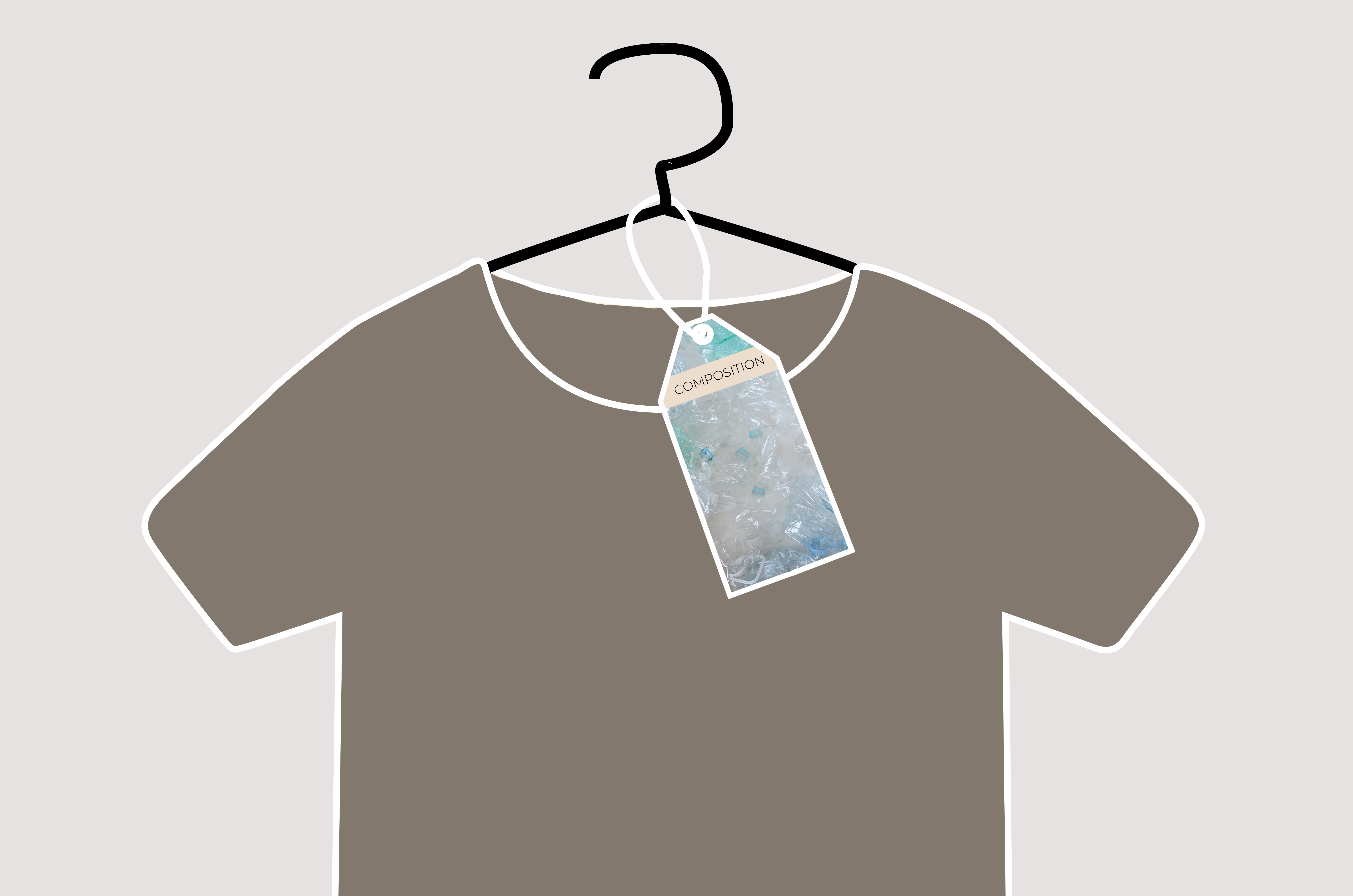
Polyester is the most popular synthetic material. In global stores it’s difficult to find products that are not made of this synthetic material. It's made of polyethylene terephthalate, PET for short. This is exactly the same material used in the bottles production and other plastic package. So polyester is simply a plastic that was created based on crude oil in a chemical reaction in very high temperatures.
How does the production and use of polyester affect the environment?
As we all know, crude oil is a non-renewable resource. Large amounts of carbon dioxide and noxious vapors go to the atmosphere in the production process. Polyester production also needs a lot of wood and oil, which contributes to global warming by greenhouse gases. Also thousands of mikro fibers end up in the sewage system every time we wash polyester products, which increased amount of microplastic in the seas and oceans. The textile industry is constantly growing and synthetic materials add up to 60% of all clothing materials. Consumers buy more and more and the clothes lifetime is shorter, which leads to an ever-increasing amount of textile waste. Wool products take about 6 months to decompose, cotton products take about 5 months, and linen even 2 weeks, but this process takes much longer for synthetics, even 200 years. Yes, polyester as a material can be recycled and reused, but not all of us are aware that only 1% of clothes are really recycled.
Polyester and its influence on humans
Polyester not only has a negative impact on the environment, but also directly on the bodies of people who use products made of them. By covering our body with synthetics, we can feel the effects of chemicals. Polyester materials impede moisture, are not breathable, so the body sweat and expand pores, through which the chemicals enter our body, i.e. the whole body absorbs substances such as cobalt, bromide, titanium dioxide and heavy metals. Long exposure to polyester may have a negative effect on the human epidermis, it will dry it out and irritate it. It may also have a negative effect on the circulatory system and the hormonal balance, and may also cause respiratory system disorders.
So why are we still using polyester?
Polyester in the textile industry is still popular because it's cheap. Companies encourage you to buy synthetics, paying attention to their "advantages", i.e. the fact that they don’t crease, are resistant to stains, shrinkage and that they are very durable. Most consumers, however, don’t realize that these "benefits" are simply further chemicals, such as formaldehyde, ammonia or teflon.
Polyester and kids
You should pay attention to products for children. Doctors recommend cotton clothes and textiles for them for a reason. Children's skin is more sensitive than adults. It’s thin and vulnerable to various damages. For this reason all chemicals can go through the babies skin quickly and easily. This cause heat rash, irritation and burns, as well as allergies. For this reason, when choosing children's textile products, please pay special attention to the materials they are made of.