


My Memi in British Vogue!
21 Sept 2022

Wool - traditional or Merino?
6 Aug 2020
Wool has been used since the dawn of time. Each of us has something with at least a little wool in the composition. But did you know that there are more than one kind of wool? Not counting the llamas, goats, camels or rabbits, of course. Let's focus on the sheep.
Fibers
Wool from different type of sheep differs in the structure (thickness, length) of the fibers. These parameters make it more or less delicate and soft. Traditional wool fibers are thick, hard and scaly which makes them less flexible. When these fibers contact with the skin, it can cause itching. It is different with merino wool. The fibers is thin and dense which makes them easily to pressure, bend and not causing irritation. What's more, thanks to the elasticity of the fibers, merino wool blankets are very pleasant, soft, light and delicate compared with the rough and heavy weight of traditional wool. Thanks to the elastic fibers blankets made of merino wool don’t deform and keep their beautiful shape.
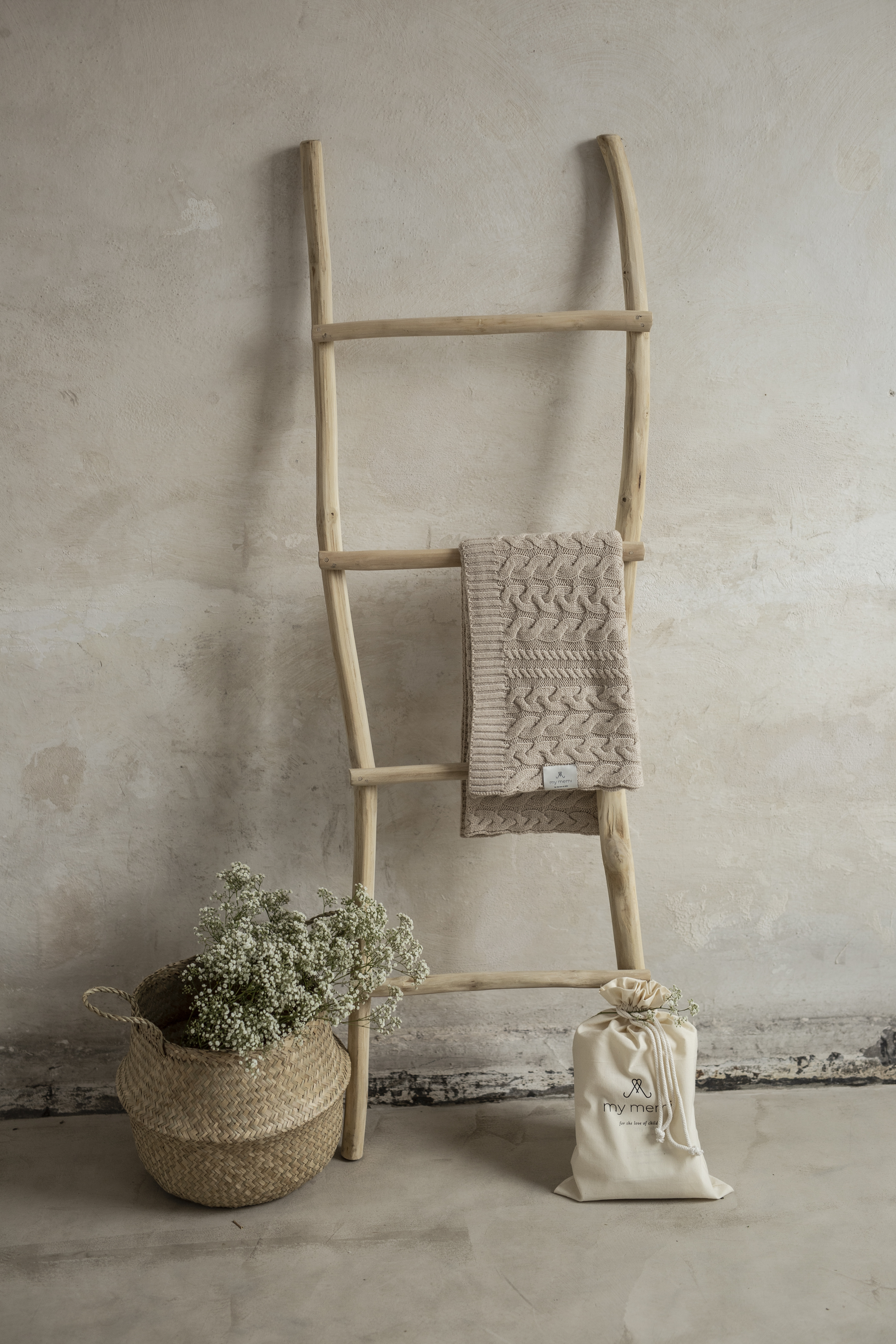
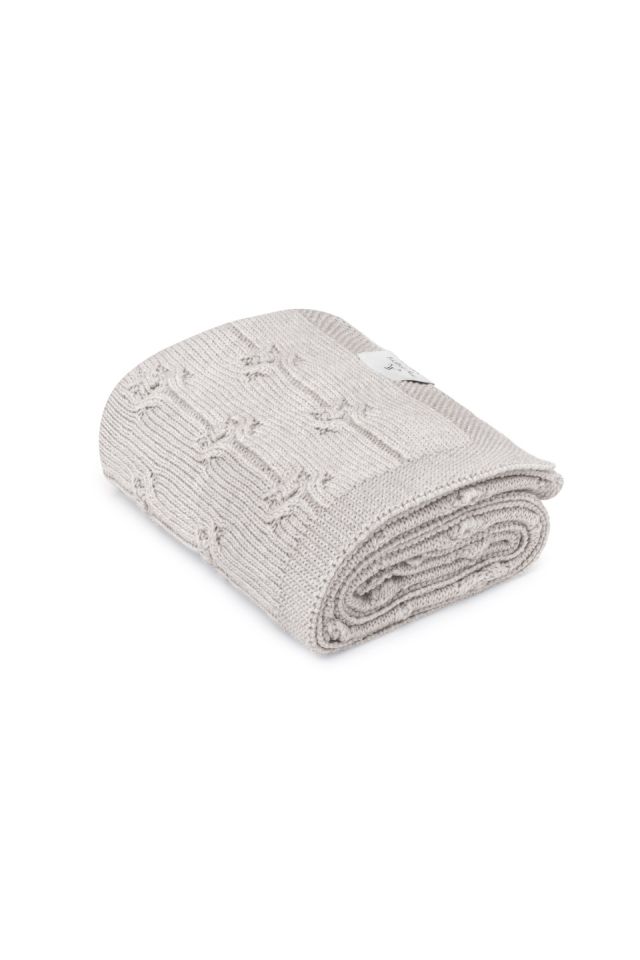
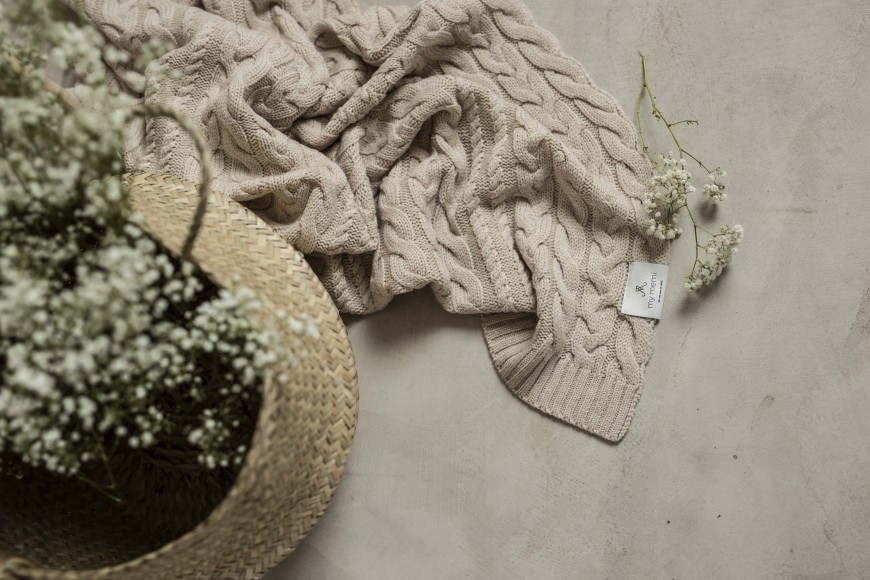
phot. braided 100% natural merino woll blanket warm beige- premium collection
Moisture management and breathability
Wool is the leading fiber when it comes to breathability. Merino absorbs the moisture and moves it away from the skin to evaporate into the air, instead of being condensed in the fibers. Therefore, while traditional wool dries very slowly - merino wool takes much less time to dry completely thanks to its fine fibers. Merino wool blankets are airy and allowing constant air exchange.
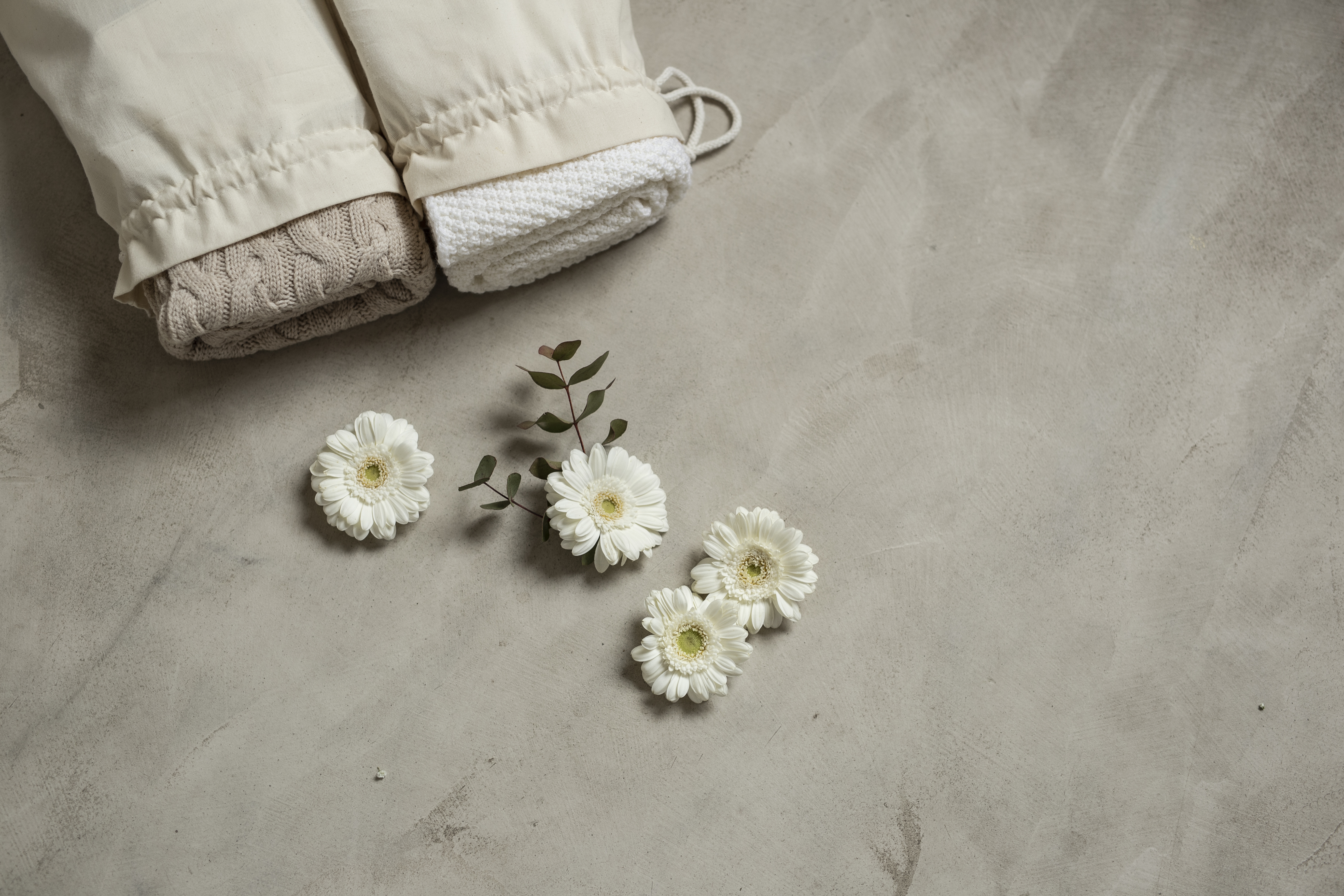
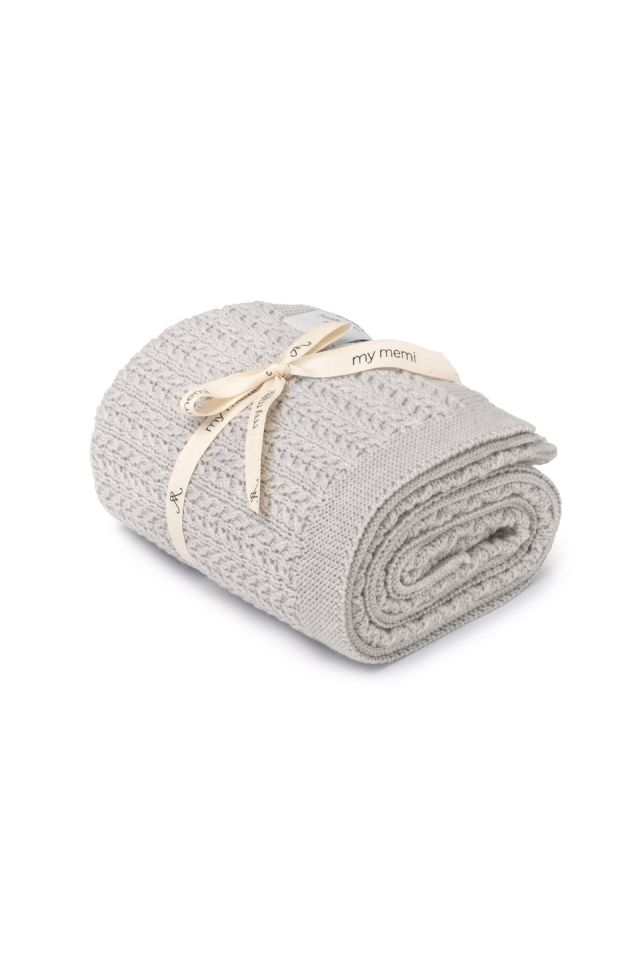
phot. 1. braided 100% natural merino woll blanket warm beige- premium collection
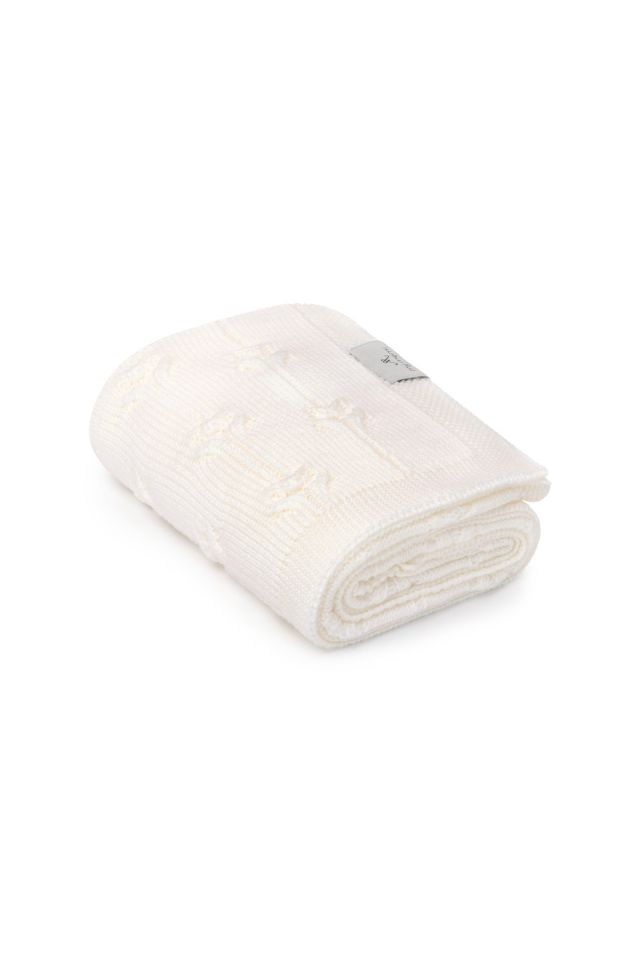
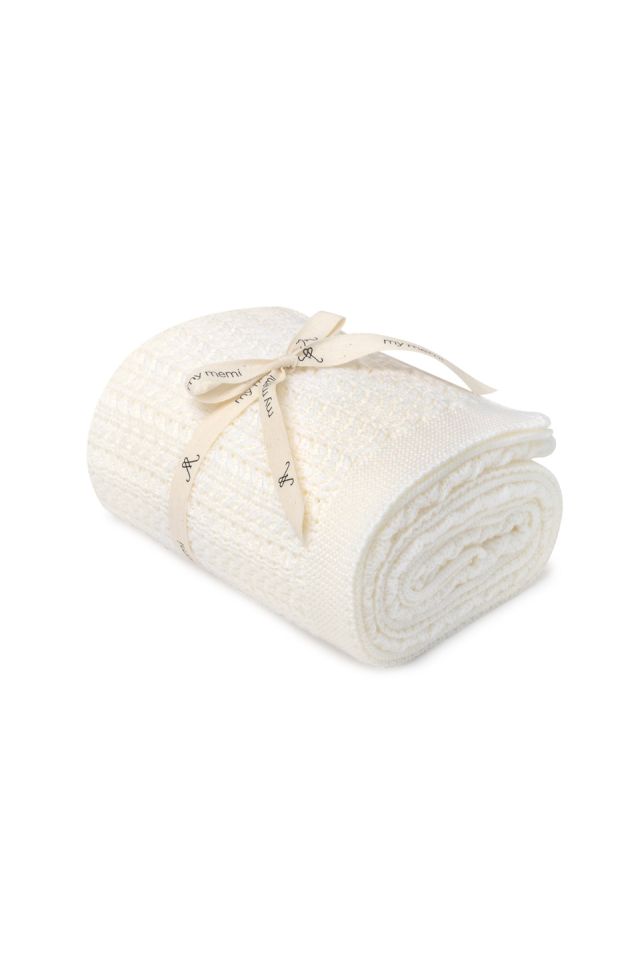
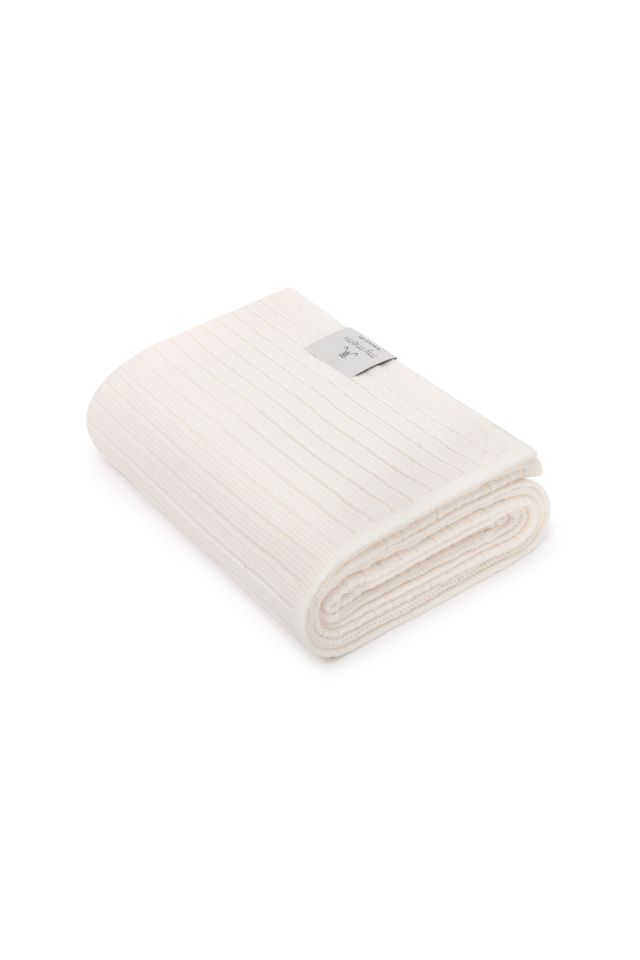
2. 100% natural merino woll blanket cream- premium collection
Thermoregulation
Thanks to its air flow, wool keeps an optimal temperature. Woolen blankets are associated with the autumn-winter season, due to the typical, heavy weight. But merino wool is a all-season products. They adapt well to temperature changes. They warm up on cold days and cool down on hot days. As a natural fiber it protects against UV radiation providing protection during walks. It’s true that traditional wool also has thermal regulation properties but because of the smaller air space between the fibers, it isn’t as effective as in merino wool.
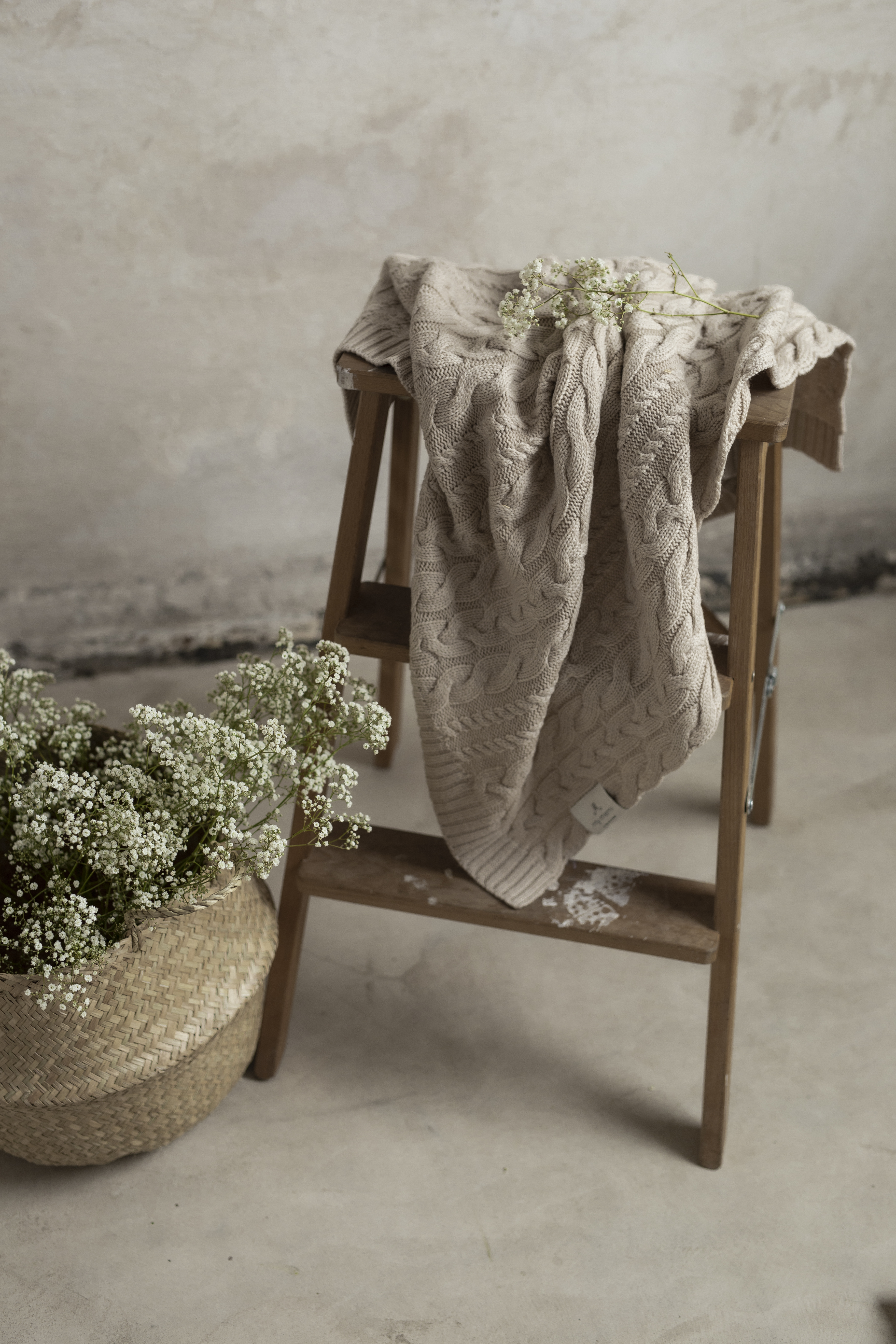
phot. braided 100% natural merino woll blanket warm beige- premium collection
Smell resistant
The smells on our clothes or blankets are caused by bacteria lives our skin but also absorbed smells from our environment. How often did we have to do laundry after visiting a smoker at home? Or after going out to the restaurant? Or when, in a fever we soaked the fabric with sweat? Merino wool blankets don’t keep moisture. They don’t give bacteria a environment to live in and are resistant to smell from the environment. You have to remember that every wool need access to fresh air. However, because merino wool is made of fine fibers its air circulation is much better, which results in better resistance to smells than traditional wool.
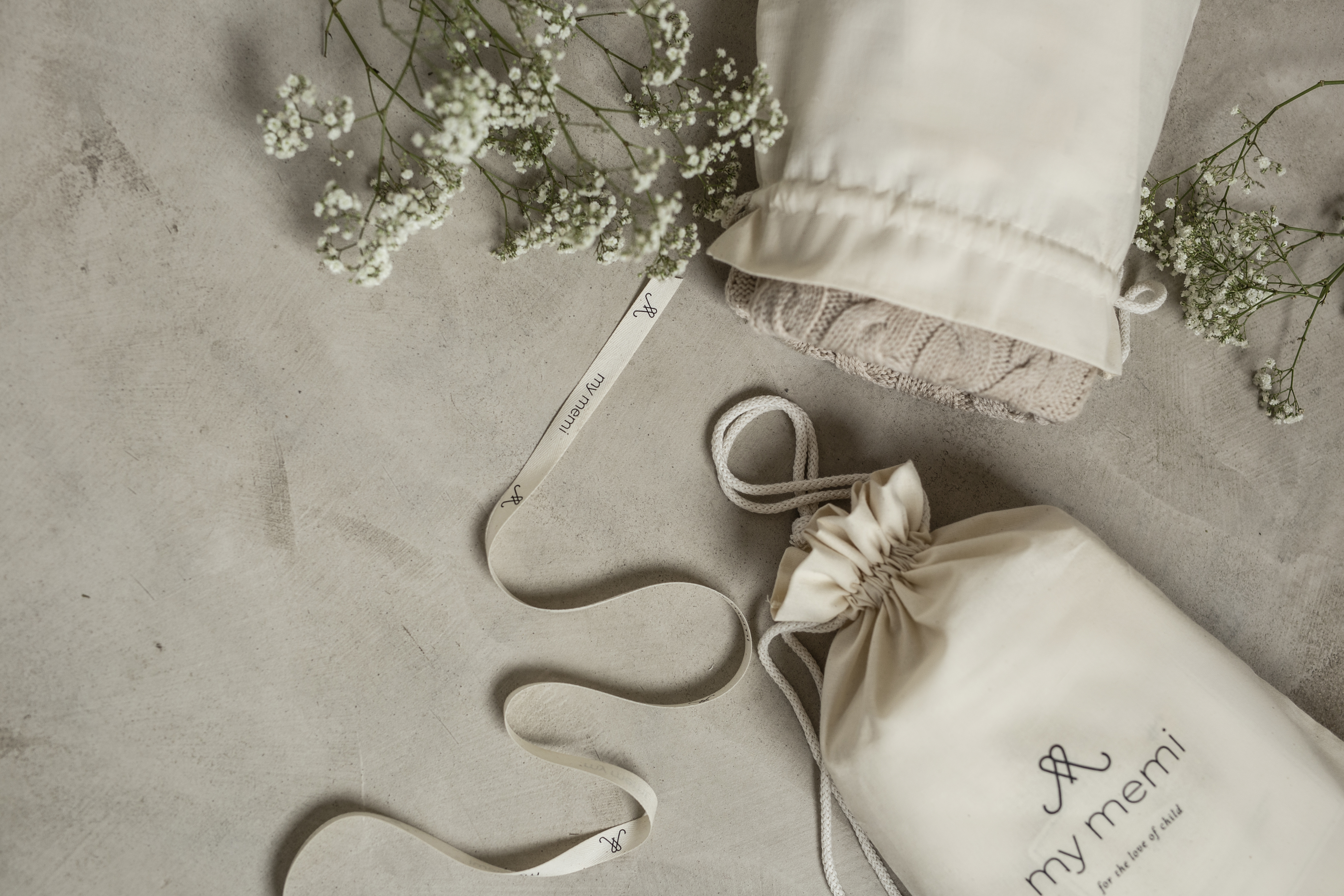
phot. braided 100% natural merino woll blanket warm beige- premium collection
Stain resistance
Merino wool is a hydrophobic fiber, which means that dirt and liquids penetrate it more slowly. So there is a possibility that we have chance to remove the stain before it stays on the blanket. Blankets made of merino wool don’t need frequent washing, so if we want to refresh them more often - just air them out.
Health
Merino wool has a number of pro-health properties. Compared to traditional wool, it is also recommended for people with sensitive skin, prone to irritation and skin diseases such as atopic dermatitis (atopic dermatitis). It is beneficial for the skin. Natural treatment reduces the need for traditional medications. Merino wool blankets are antibacterial and anti-allergic. The natural protective layer on them keep away dust and mites, which are the main cause of allergics.
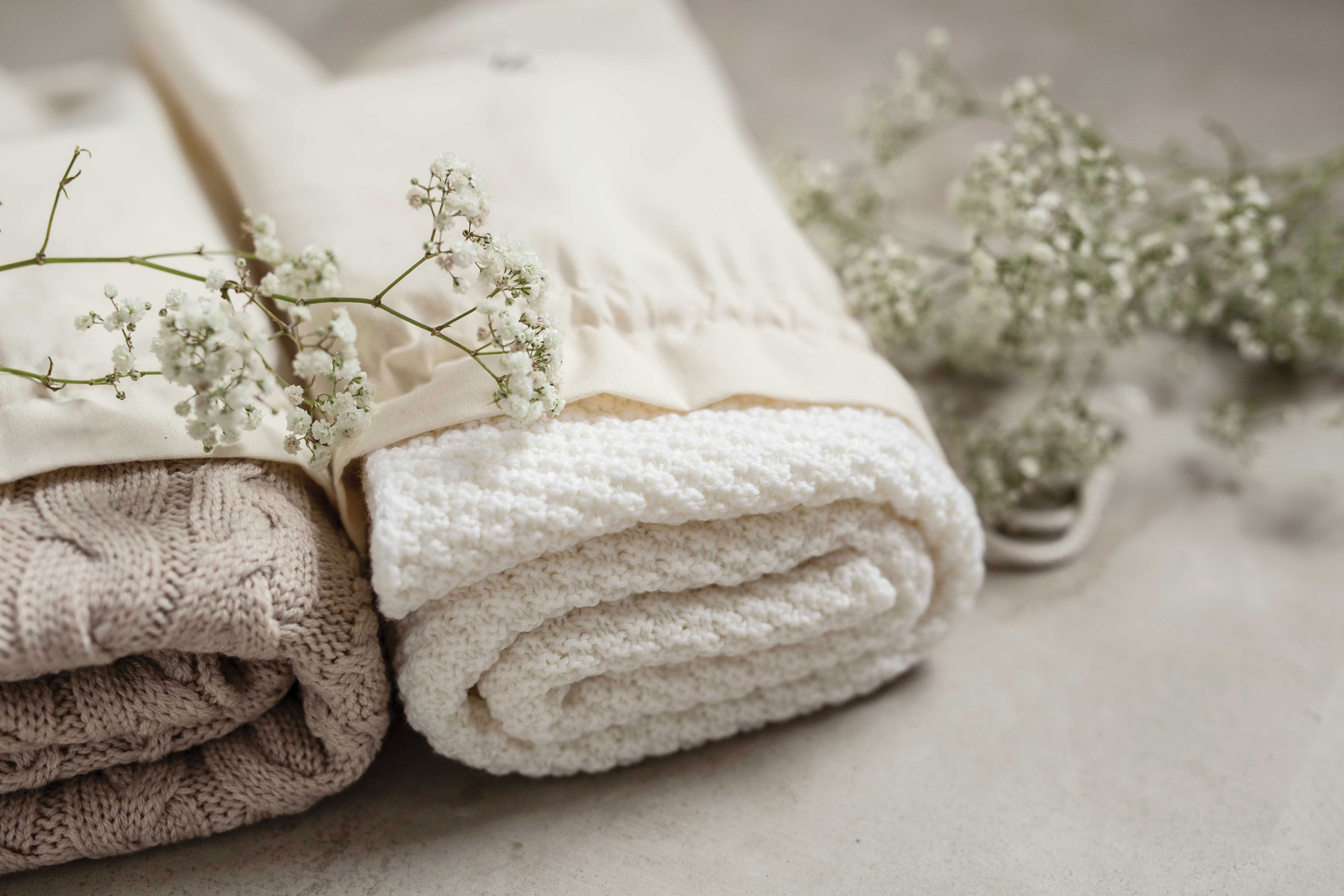
phot. 1. braided 100% natural merino woll blanket warm beige- premium collection
2. 100% natural merino woll blanket cream- premium collection
You can see that apart from sheep's origin and the name, merino wool and traditional wool have not much in common. Wool connotes with hard, rough and unpleasant material. This cannot compete with merino wool, which makes blankets extremely soft, delicate and perfect for a child's skin. In conclusion- if wool, then only merino.
-

-
Out of Stock
-
-
-
-
Out of Stock
-
Out of Stock
-